Do you ever have those times in life when something keeps popping up? Like this thought or idea that keeps traversing across the different circles of you life? Look left. There it is! Look right. Its here too! It just keeps on turning up. For me, I keep being revisited by this: ‘ Consultation is not consent’.
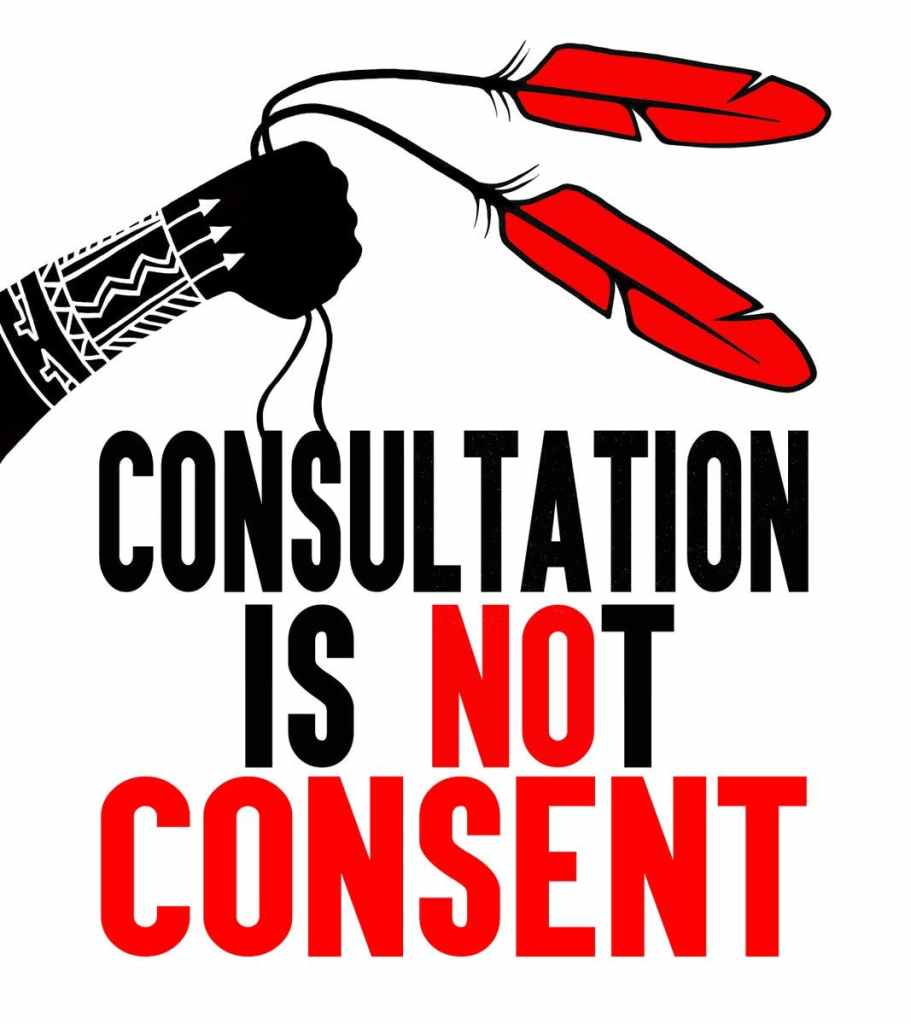
It’s October 8, 2020. George Floyd’s murderer was just released on bail yesterday. Less than two ago, Joyce Echaquan, an Indigenous woman died in the hospital after filming the racist mocking of her nurses. THIS list, unfortunately, could go on and on. That’s not what I’m here to talk about today.
To start, I have to begin with me.
Hi. I’m Rina. I’m a Mixed Race(Black/White) Bi/Pansexual Womxn.
I’m a theatre artist.
I’m a person who is almost constantly occupying the space as a marginalized minority. In other words, I spend the majority of my time (virtually or otherwise) in the company of white or white-passing people.
In the last few months, I’ve had a lot of people in my life start conversations with me about race or discrimination. “How do I do this?” or “How do I be that?” It’s strange for me sometimes. I spend a lot of my time in the theatre community where we spend a lot of time talking about race, and equity, and discrimination,and diversity. I personally find the theatre to be a more comforting place than the general public. It’s safer. It’s more willing to look at itself critically and say, “oh this is right. This isn’t equitable. This isn’t ethical.” Is this process of self reflection always present? No. Are there people in theatre who discriminate and appropriate and have no real desire to change their status quo? Absolutely.
But when I think about how to respond to my friends and family about how they can navigate, and how I try to navigate life in relation to Black, Indigenous or other people of colour, I relly a lot on what I’ve learned in theatre to inform me.
About. For. With. By.
This concept is relevant to all art forms, whether that is theatre, film, dance, visual arts, or literary arts. It is often talked about in Applied Theatre, which is an umbrella term for a bunch of different types of theatre that strive to educate or initiate social change or give voice to people who usually aren’t heard or something else entirely. In general they tend not to be kind of shows you would see when you go out to see theatre.
Is this ABOUT Black people, and/or Indigenous people and/or other people of colour? Was this created by someone outside of the race or culture it explores? if yes, take it with a grain a salt. I’m not saying don’t watch it, or consume it or engage with it (unless it’s blantantly racist and then I’m definitely saying that) but understand that there are likely some inaccuracies, stereotypes and biases at work.
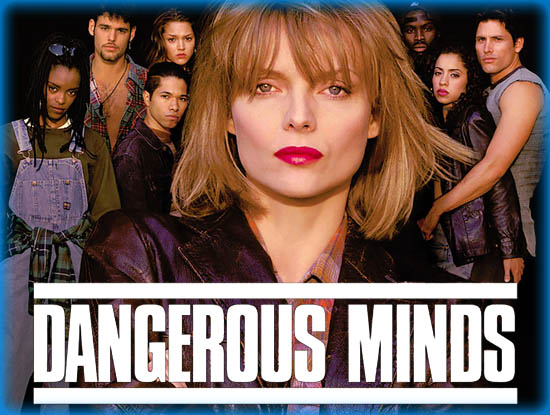
Here’s an example. The movie Dangerous Minds(1995) is about dedicated teacher, Michelle Pfeiffer, who goes to a tough inner city to teach this diverse group of kids how to not be cliches and stereotypes, I mean, “live up to their potential.” It was directed and produced by white people.
Is this FOR Black people, and/or Indigenous people and/or other people of colour? Again I ask was this created by someone outside of the race or culture it explores? But, you may say, they did it to honour them, or to inform people about their situation. Then I say, see my answer above. It’s still applicable. I will also say, this is where we get into the territory of consultation is not consent.
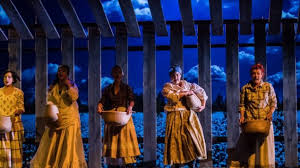
Example. This picture is from the play SLAV. Those women are picking cotton. Those women are singing slave songs. Those women are portraying African slaves. Fun fact: those women are white. But then so is Robert Lepage who wrote the show.
Is this WITH Black people, and/or Indigenous people and/or other people of colour? Is there clearly direct influence from the race/culture in question? Were creative decisions made by them? Depending on the position occupied by BIPOc artists in the project may depend on how accurate the telling is. This is also a place where “consultation is not consent” holds true as well.
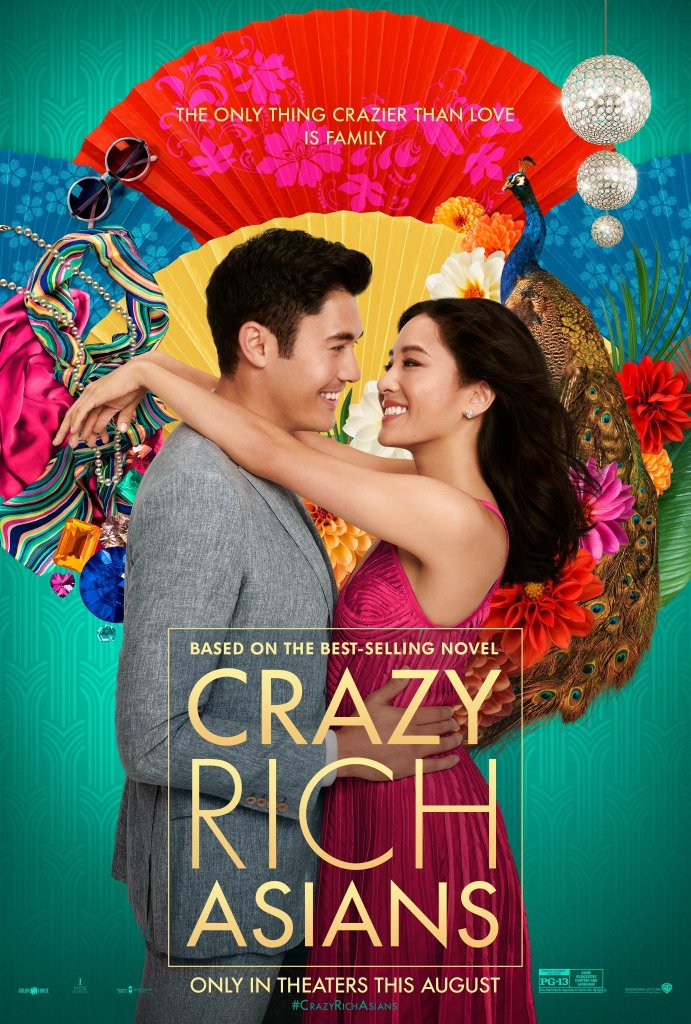
Example: The movie Crazy Rich Asians(2018) not only featured a majority Asian cast but the author of the book on which it was based, one of the screenwriters and the director are all Asian. Is it without its problems? No. The film is largely set in Malaysia which is a country that is made up of several ethnic groups. Chinese (that is depicted in the movie) is an ethnic minority in the country. Indian and indigenous are also ethnic minorities and Malay people make up the majority in Malaysia. However all where notably absent from the film.
Is this BY Black people, and/or Indigenous people and/or other people of colour? I mean, this one is pretty self-explanatory isn’t it? Was this created by the people in question? At all stages of the creative process?
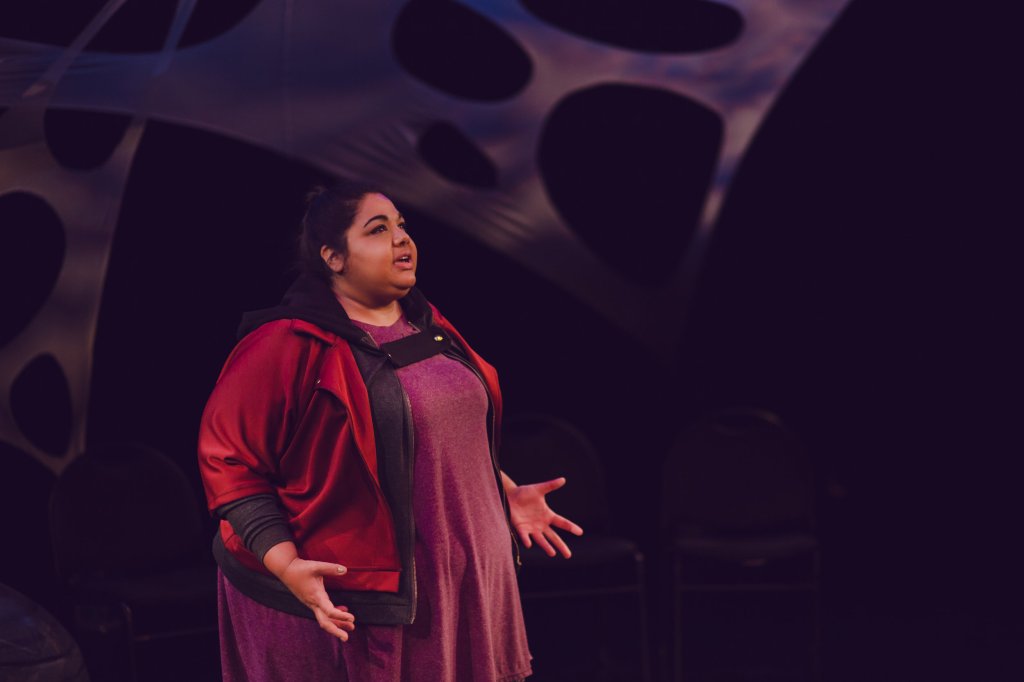
Example: this is a play called bug. It is written and performed by Indigenous artist Yolanda Bonnell. It was originally workshopped at Native Earth and expanded over time, supported by various Indigenous organizations over the years.
Listen, this is in no way, shape or form a definitive guide to navigating the sticky situation of understanding harmful stereotypes or indentifying our biases, be they conscious or unconscious. It’s hard. And there is work to be done. And this, what we see in art, is a small portion of it.
Well, anyway, break a leg!
 Life in Theatre. Theatre in Life.